Preventing Veteran Homelessness: How Targeted Financial Intervention Saved Over 200 Families
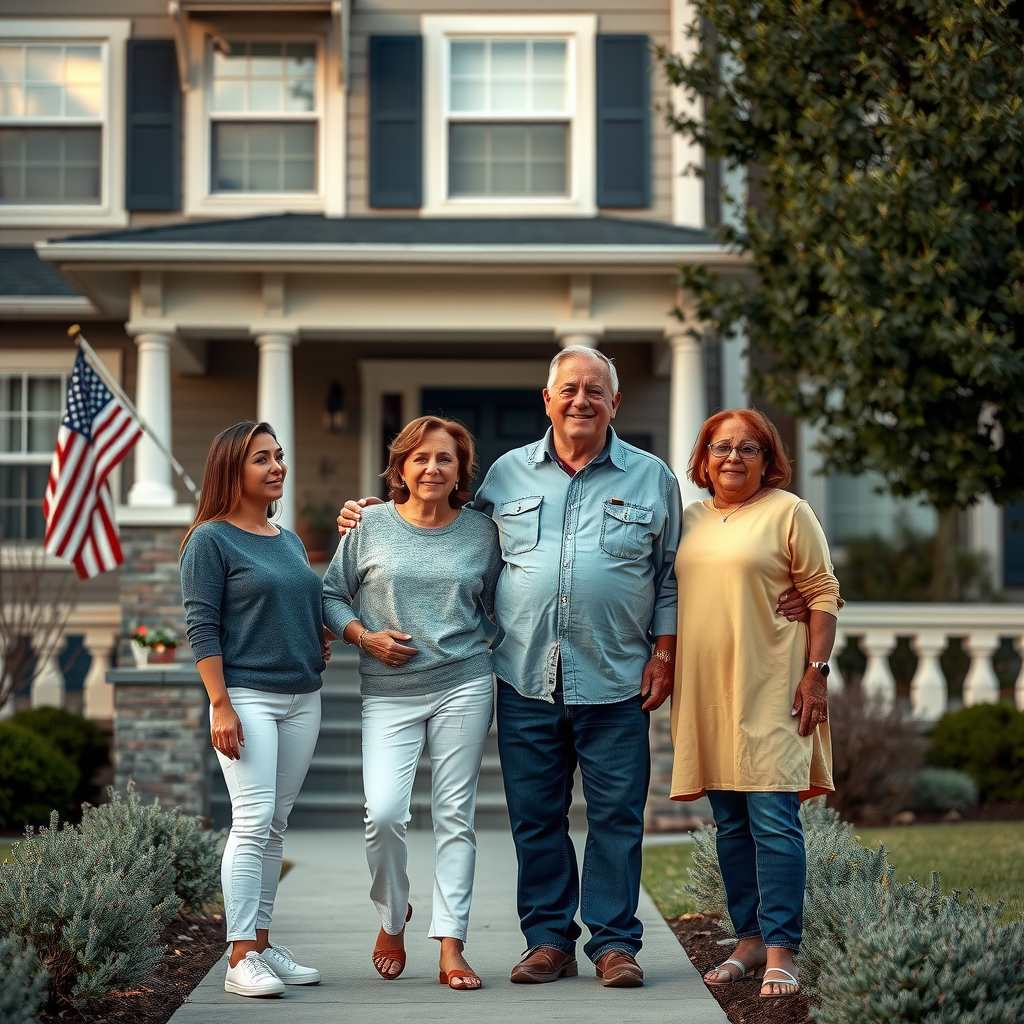
A comprehensive analysis of Troopers Assisting Inc's emergency housing assistance program reveals remarkable success in preventing veteran homelessness through strategic financial intervention and dedicated case management services. Over the past year, the program has provided critical support to more than 200 veteran families facing housing crises, with an impressive 94% maintaining stable housing six months after receiving assistance.
The Critical Need for Emergency Housing Support
Veterans face unique challenges when transitioning to civilian life, and housing instability remains one of the most pressing issues affecting military families nationwide. Economic pressures, medical expenses related to service-connected disabilities, and the difficulty of translating military experience into civilian employment opportunities create a perfect storm that can quickly lead to housing crises.
The emergency housing assistance program was developed in response to an alarming trend: despite their service and sacrifice, thousands of veteran families were falling through the cracks of traditional support systems. Many found themselves just one paycheck away from eviction, facing impossible choices between paying rent, buying groceries, or covering medical expenses.
"We were three days away from losing everything. The eviction notice felt like the end of the world. Then Troopers Assisting Inc stepped in, and suddenly we had hope again. They didn't just pay our rent—they gave us a path forward."
— James Martinez, Army Veteran and Program Recipient

Comprehensive Program Components
The emergency housing assistance program operates on a multi-faceted approach that addresses both immediate crises and long-term stability. Rather than simply providing temporary financial relief, the program combines several critical services designed to ensure lasting housing security for veteran families.
Short-Term Rental Assistance
The cornerstone of the program provides direct rental payment assistance for families facing immediate eviction or those who have fallen behind on rent due to unexpected circumstances. This intervention typically covers one to three months of rent, giving families breathing room to stabilize their financial situation. The program has distributed over $1.8 million in rental assistance over the past year, with an average support amount of $2,400 per family.
Eligibility for rental assistance requires verification of veteran status, demonstration of financial hardship, and evidence of housing crisis such as eviction notices or past-due rent statements. The application process is streamlined to ensure rapid response—most families receive approval within 48 hours of submitting complete documentation.
Security Deposit Support
For veterans who need to relocate to more affordable housing or who have lost their current residence, security deposits represent a significant barrier to securing new accommodations. The program provides up to $3,000 in security deposit assistance, enabling families to move into stable housing situations without depleting their limited savings. This component has helped 87 families transition to new homes over the past year.
Program Impact by the Numbers
Utility Payment Support
Utility disconnection notices often accompany housing crises, creating additional stress and potential health hazards for families. The program provides emergency utility payment assistance covering electricity, gas, water, and heating costs. This support ensures that families maintain essential services while working toward financial stability. Over 150 families received utility assistance averaging $800 per household.

Beyond Financial Assistance: Case Management Services
What distinguishes this program from simple emergency relief is the comprehensive case management component. Each family receiving assistance is paired with a dedicated case manager who provides ongoing support, resource navigation, and advocacy. These professionals work closely with families to address the root causes of housing instability and develop sustainable solutions.
Case managers conduct thorough assessments of each family's situation, identifying barriers to housing stability such as unemployment, inadequate income, medical issues, or lack of financial literacy. They then create individualized action plans that connect families with appropriate resources and support services. This personalized approach has proven instrumental in achieving the program's impressive long-term success rates.
Connections to Long-Term Affordable Housing
Recognizing that emergency assistance alone cannot solve chronic housing affordability issues, the program maintains partnerships with local housing authorities, affordable housing developers, and landlords willing to work with veteran families. Case managers actively help families navigate waiting lists for subsidized housing, apply for housing vouchers, and identify affordable rental opportunities in their communities.
The program has successfully placed 62 families into long-term affordable housing situations over the past year, with many securing housing vouchers or moving into income-restricted properties that ensure their rent remains manageable relative to their income. These placements represent true solutions rather than temporary fixes, breaking the cycle of housing instability.
"The case manager didn't just help us with rent. She connected us with job training, helped my husband apply for VA benefits we didn't know existed, and found us an affordable apartment we could actually sustain. She changed our entire trajectory."
— Sarah Thompson, Marine Corps Spouse and Program Recipient
Complementary Services for Lasting Stability
The program's holistic approach includes several complementary services designed to address the underlying factors that contribute to housing instability. These services work in concert with emergency financial assistance to create sustainable pathways to housing security.
Financial Literacy Workshops
Monthly financial literacy workshops provide veterans and their families with essential money management skills. Topics include budgeting, credit repair, debt management, savings strategies, and understanding rental agreements. These workshops are led by certified financial counselors and are specifically tailored to address the unique financial challenges faced by military families.
Over 180 program participants have completed at least one financial literacy workshop, with many attending multiple sessions. Follow-up surveys indicate that 78% of workshop participants report improved financial management practices and increased confidence in handling their finances. Several participants have successfully rebuilt their credit scores, enabling them to qualify for better housing opportunities and lower interest rates on necessary loans.

Employment Assistance
Stable employment is fundamental to housing stability. The program partners with local workforce development agencies, veteran employment services, and private sector employers to provide comprehensive employment assistance. Services include resume writing, interview preparation, job search support, skills assessment, and connections to job training programs.
Case managers work closely with participants to identify employment barriers and develop strategies to overcome them. This might include addressing transportation issues, arranging childcare, connecting veterans with appropriate vocational rehabilitation services, or helping them obtain necessary certifications or licenses. The program has helped 94 participants secure new employment or increase their income through better job opportunities.
Real Stories: Families Rebuilding Their Lives
Behind the statistics are real families whose lives have been transformed by timely intervention and comprehensive support. Three families agreed to share their experiences, illustrating the program's impact and the diverse circumstances that can lead to housing crises.
The Martinez Family: From Eviction Notice to Homeownership
James Martinez served eight years in the Army, including two deployments to Afghanistan. After his discharge, he struggled to find employment that matched his military experience and provided adequate income for his family of four. When his wife faced unexpected medical expenses related to complications from pregnancy, the family fell three months behind on rent and received an eviction notice.
The emergency housing assistance program provided immediate rental assistance, preventing eviction and giving the family time to stabilize. James's case manager connected him with a veteran-friendly employer in the logistics industry, where his military supply chain experience was highly valued. The family also participated in financial literacy workshops and began working with a housing counselor.
Today, just 14 months after receiving emergency assistance, the Martinez family has purchased their first home through a VA loan. James has been promoted twice at his job, and the family has established an emergency savings fund. "We went from facing homelessness to owning our own home," James reflects. "The program didn't just save us—it gave us the tools to build a better future."
Eligibility Criteria
- Honorable discharge from U.S. military service (veteran or immediate family member)
- Documented housing crisis (eviction notice, past-due rent, utility disconnection notice)
- Demonstrated financial hardship due to circumstances beyond control
- Household income at or below 80% of area median income
- Willingness to participate in case management and complementary services
- Residence within program service area
The Thompson Family: Overcoming Medical Crisis
Sarah Thompson's husband, Michael, a Marine Corps veteran, suffered a severe injury in a construction accident that left him temporarily unable to work. Despite having some savings, the family quickly depleted their resources covering medical expenses not fully covered by insurance while maintaining their rent and other obligations. With Michael's recovery taking longer than expected and Sarah working part-time while caring for their two young children, the family faced impossible financial pressures.
The program provided three months of rental assistance and connected the family with additional resources. Michael's case manager helped him apply for VA disability benefits he was entitled to but hadn't pursued, and connected him with vocational rehabilitation services. Sarah enrolled in job training to increase her earning potential, with the program helping arrange childcare during her classes.
Six months after entering the program, Michael had recovered sufficiently to return to modified work duties, his VA benefits were approved providing additional monthly income, and Sarah had completed her training and secured a better-paying position with flexible hours. The family moved into an affordable housing unit where their rent is capped at 30% of their income, ensuring long-term stability. "We were drowning, and they threw us a lifeline," Sarah says. "But more than that, they taught us how to swim."

The Rodriguez Family: Breaking the Cycle
Carlos Rodriguez, a Navy veteran, had been cycling through periods of housing instability for three years following his discharge. Struggling with PTSD and difficulty adjusting to civilian life, he had lost several jobs and moved frequently, often staying with friends or in his car. When he reconnected with his teenage daughter and gained custody, he was determined to provide stability but lacked the resources to secure housing.
The program provided security deposit assistance and first month's rent for a two-bedroom apartment, but more importantly, connected Carlos with mental health services specifically designed for veterans. His case manager helped him navigate the VA healthcare system, access counseling for PTSD, and find employment with an understanding employer. The program also connected his daughter with educational support services.
Today, Carlos has maintained stable housing for over a year—the longest period of housing stability since his discharge. He's been employed at the same company for 10 months, his daughter is thriving in school, and he's actively engaged in ongoing mental health treatment. "For the first time in years, I feel like I have a real home," Carlos shares. "My daughter has her own room, we have dinner together every night, and I'm finally the father I wanted to be. This program gave me my life back."
Funding Sources and Sustainability
The emergency housing assistance program operates through a combination of government grants and private donations, ensuring diverse funding streams that support program sustainability. This mixed funding model allows the program to maintain flexibility while serving the maximum number of families in need.
Government Grants
Approximately 60% of program funding comes from federal and state government grants specifically designated for veteran homelessness prevention. These include grants from the Department of Veterans Affairs Supportive Services for Veteran Families (SSVF) program, Department of Housing and Urban Development (HUD) homeless prevention grants, and state-level veteran assistance programs. These grants provide stable, predictable funding that allows for program planning and expansion.
Government funding comes with reporting requirements and performance metrics, which the program consistently exceeds. The 94% housing stability rate far surpasses the 85% benchmark required by most grant programs, positioning Troopers Assisting Inc favorably for continued and expanded funding in future grant cycles.
Private Donations
The remaining 40% of program funding comes from private donations, including individual donors, corporate sponsors, foundation grants, and fundraising events. Private funding provides crucial flexibility, allowing the program to serve families who may not meet strict government grant eligibility criteria or to provide assistance beyond what government funding allows.
Private donors have been particularly generous in supporting the complementary services that make the program so effective. Financial literacy workshops, employment assistance, and case management services are often funded through private donations, as these preventive services may not be covered by government grants focused solely on emergency financial assistance.
Application Process
Families in crisis can access emergency housing assistance through a streamlined application process designed for rapid response. Most applications are reviewed within 48 hours, with assistance provided within one week of approval.
Program Outcomes and Long-Term Impact
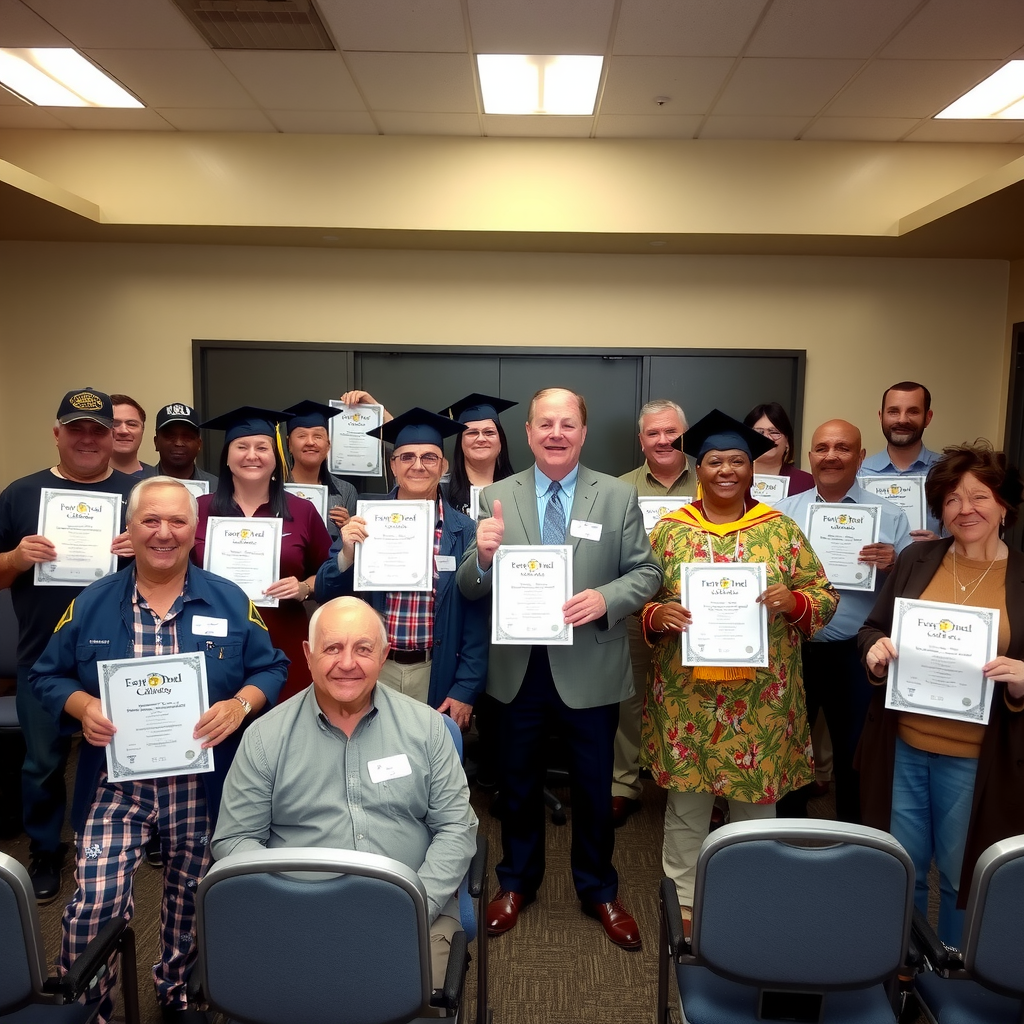
The true measure of the program's success extends beyond the immediate prevention of homelessness. Follow-up data collected at six-month and twelve-month intervals reveals sustained positive outcomes for participating families, demonstrating that the program creates lasting change rather than temporary relief.
At the six-month follow-up, 94% of assisted families maintained stable housing, with 89% reporting improved financial stability compared to when they entered the program. Employment rates among program participants increased by 37%, and average household income rose by 28%. These improvements reflect the effectiveness of the comprehensive approach that addresses both immediate crises and underlying causes of housing instability.
Twelve-month follow-up data shows continued stability, with 91% of families still maintaining housing and 76% reporting they have established emergency savings funds—a critical buffer against future crises. Additionally, 68% of families have improved their credit scores, opening doors to better housing and financial opportunities. Perhaps most significantly, families report reduced stress, improved family relationships, and better outcomes for children, including improved school attendance and performance.
Looking Forward: Expansion and Innovation
Building on the program's demonstrated success, Troopers Assisting Inc is planning strategic expansions to serve more veteran families and enhance existing services. Plans for the coming year include increasing case management capacity to serve an additional 100 families, expanding the geographic service area to reach rural veteran communities, and developing specialized support tracks for specific populations such as female veterans and veterans with disabilities.
The organization is also piloting innovative approaches to homelessness prevention, including a landlord partnership program that provides incentives and support for property owners who rent to veteran families, and a peer mentorship initiative that connects program graduates with newly enrolled families. These innovations aim to leverage the program's success while building stronger community connections and support networks.
Additionally, the program is developing enhanced data collection and analysis capabilities to better understand the factors that contribute to housing instability and the interventions that prove most effective. This evidence-based approach will inform program refinements and contribute to the broader field of veteran homelessness prevention, potentially serving as a model for other organizations nationwide.
"Every veteran who served our country deserves a safe, stable place to call home. This program proves that with the right support at the right time, we can prevent veteran homelessness and help families build lasting stability. The success we've seen isn't just about numbers—it's about lives transformed and futures secured."
— Director of Housing Services, Troopers Assisting Inc
Conclusion: A Model for Effective Intervention
The emergency housing assistance program demonstrates that veteran homelessness is preventable when communities provide targeted, comprehensive support. By combining immediate financial assistance with case management, employment services, financial education, and connections to long-term housing solutions, the program addresses both the symptoms and root causes of housing instability.
The 94% housing stability rate achieved by the program stands as testament to the effectiveness of this holistic approach. More importantly, the personal stories of families like the Martinez, Thompson, and Rodriguez families illustrate the profound impact that timely intervention can have on veterans and their loved ones. These families didn't just avoid homelessness—they rebuilt their lives, established financial stability, and created secure futures for their children.
As the program continues to grow and evolve, it serves as a powerful reminder that supporting those who served our country is not just a moral imperative but an achievable goal. With adequate funding, dedicated staff, and community partnerships, veteran homelessness can be prevented, and families can thrive. The success of Troopers Assisting Inc's emergency housing assistance program offers hope and a proven pathway forward for communities nationwide seeking to honor their commitment to veterans by ensuring they have safe, stable places to call home.
For veteran families facing housing crises, the message is clear: help is available, and recovery is possible. The program stands ready to provide not just emergency assistance, but comprehensive support that creates lasting change. In preventing homelessness for over 200 families this year, the program has proven that with the right intervention at the right time, every veteran family can achieve housing stability and build a secure future.