Mobile Mental Health Units Bring Critical Care to Rural Veterans
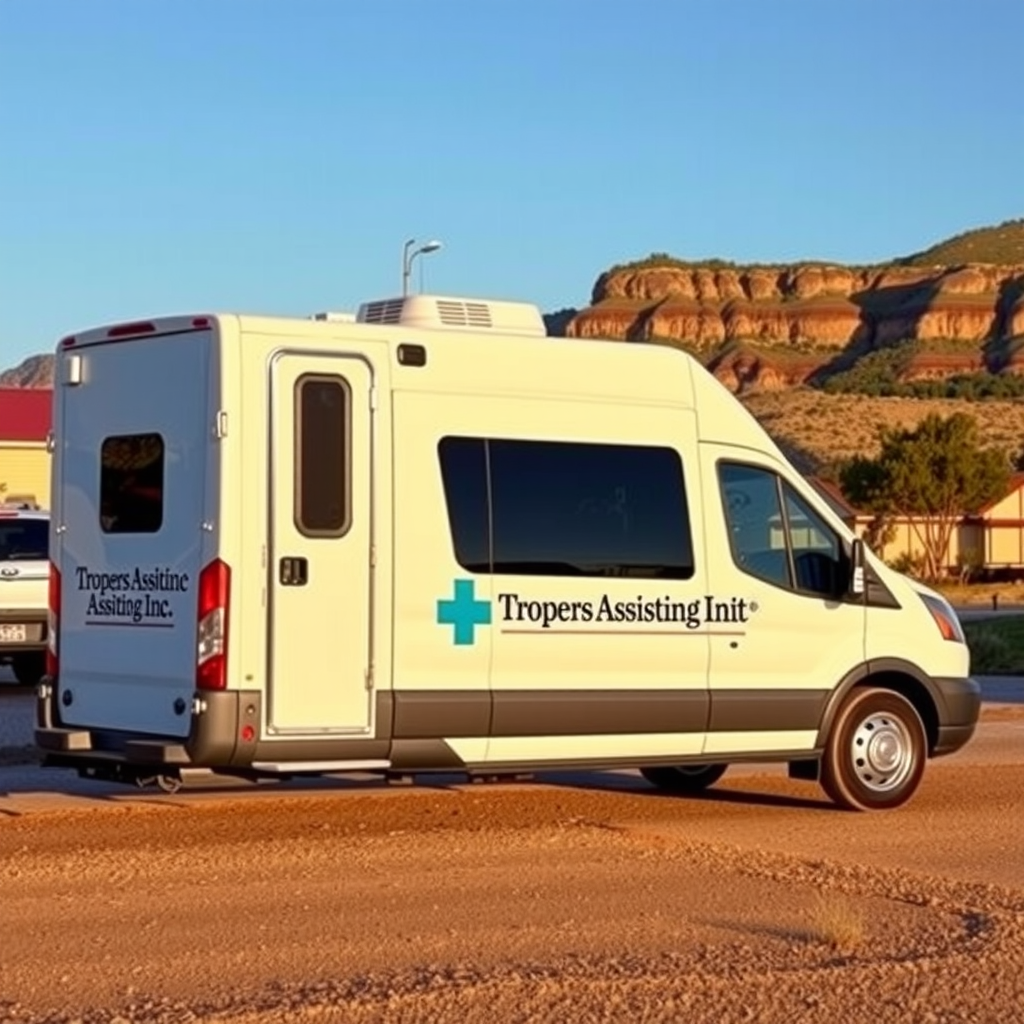
Troopers Assisting Inc has launched an innovative initiative to address a critical gap in veteran mental health services, deploying three fully-equipped mobile units designed to reach veterans in underserved rural communities across the region. This groundbreaking program brings comprehensive mental health support directly to those who need it most, eliminating barriers that have long prevented rural veterans from accessing essential care.
Comprehensive Care on Wheels
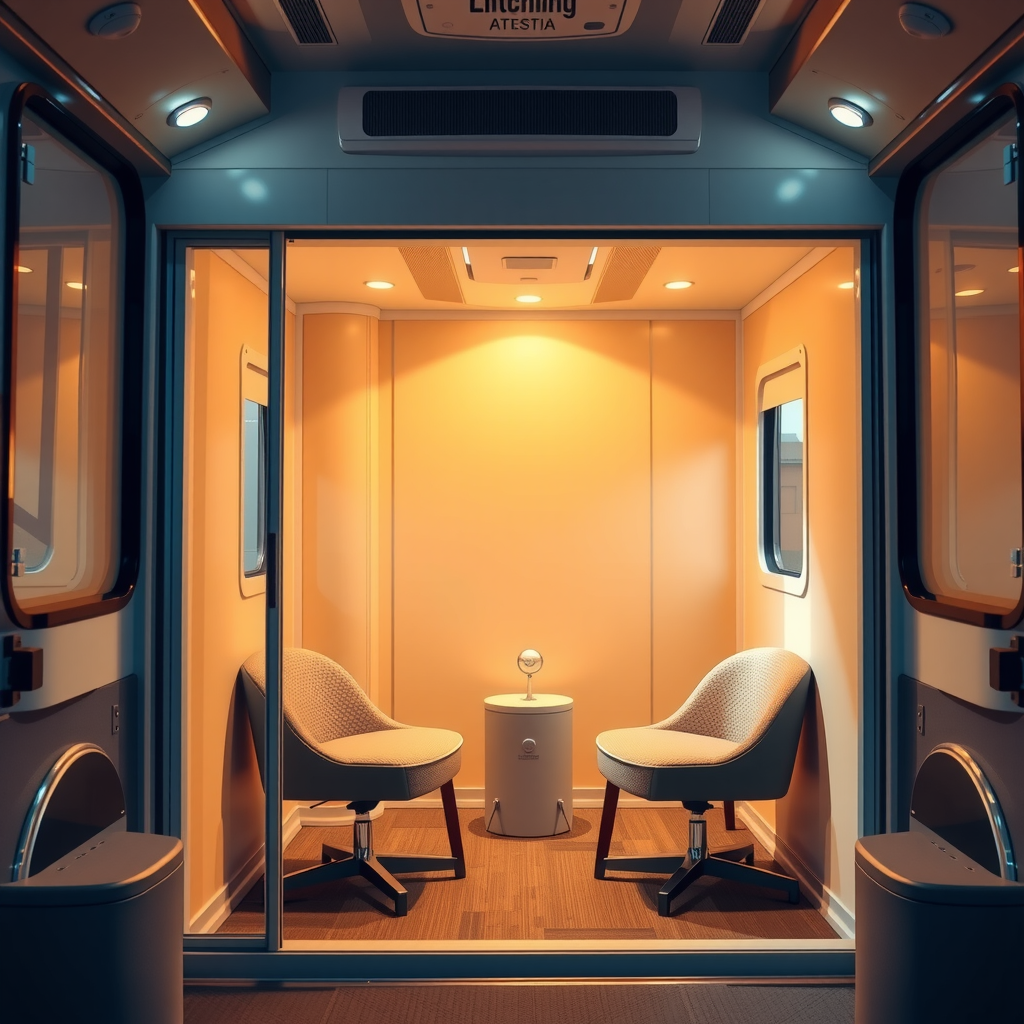
Each mobile mental health unit serves as a complete care facility on wheels, staffed with a dedicated team of licensed therapists, peer support specialists, and benefits counselors. These professionals work together to provide a full spectrum of free, confidential services tailored to the unique needs of veterans. The units are equipped with private consultation spaces, telehealth technology, and comfortable waiting areas that create a welcoming environment for veterans seeking support.
The services offered through these mobile units are comprehensive and address the most pressing mental health challenges facing veterans today. Licensed therapists provide specialized PTSD counseling using evidence-based treatment approaches, including cognitive processing therapy and prolonged exposure therapy. Substance abuse support programs help veterans struggling with addiction find pathways to recovery through individual counseling and connections to treatment resources. Crisis intervention services ensure that veterans experiencing acute mental health emergencies receive immediate, professional support.
First Month Results Exceed Expectations
The initiative's first month of operation has demonstrated both the tremendous need for these services and the effectiveness of the mobile approach. During this initial period, the three units conducted 312 individual counseling sessions across multiple rural communities, reaching veterans who previously had limited or no access to mental health care. The teams successfully connected 78 veterans with ongoing care resources, establishing long-term support networks that will continue to serve these individuals well beyond their initial mobile unit visits.
The impact of these services extends far beyond the numbers. Veterans who have utilized the mobile units report significant improvements in their mental health, with many expressing relief at finally being able to access professional support without the burden of long-distance travel. The peer support specialists on each team, many of whom are veterans themselves, have proven particularly effective at building trust and helping veterans feel comfortable seeking help.
Breaking Down Barriers to Care
For many rural veterans, accessing mental health services has been an insurmountable challenge. Transportation limitations, long distances to the nearest VA facility or mental health provider, and the time commitment required for travel have created significant barriers to care. These obstacles are compounded by the stigma that still surrounds mental health treatment in many communities, making it difficult for veterans to seek help even when services are theoretically available.
I served my country for 20 years, but when I came home, I felt completely alone. The nearest mental health clinic was 90 miles away, and I couldn't make that drive every week. When the mobile unit came to my town, it changed everything. For the first time since leaving the service, I felt like someone understood what I was going through and actually cared about helping me.
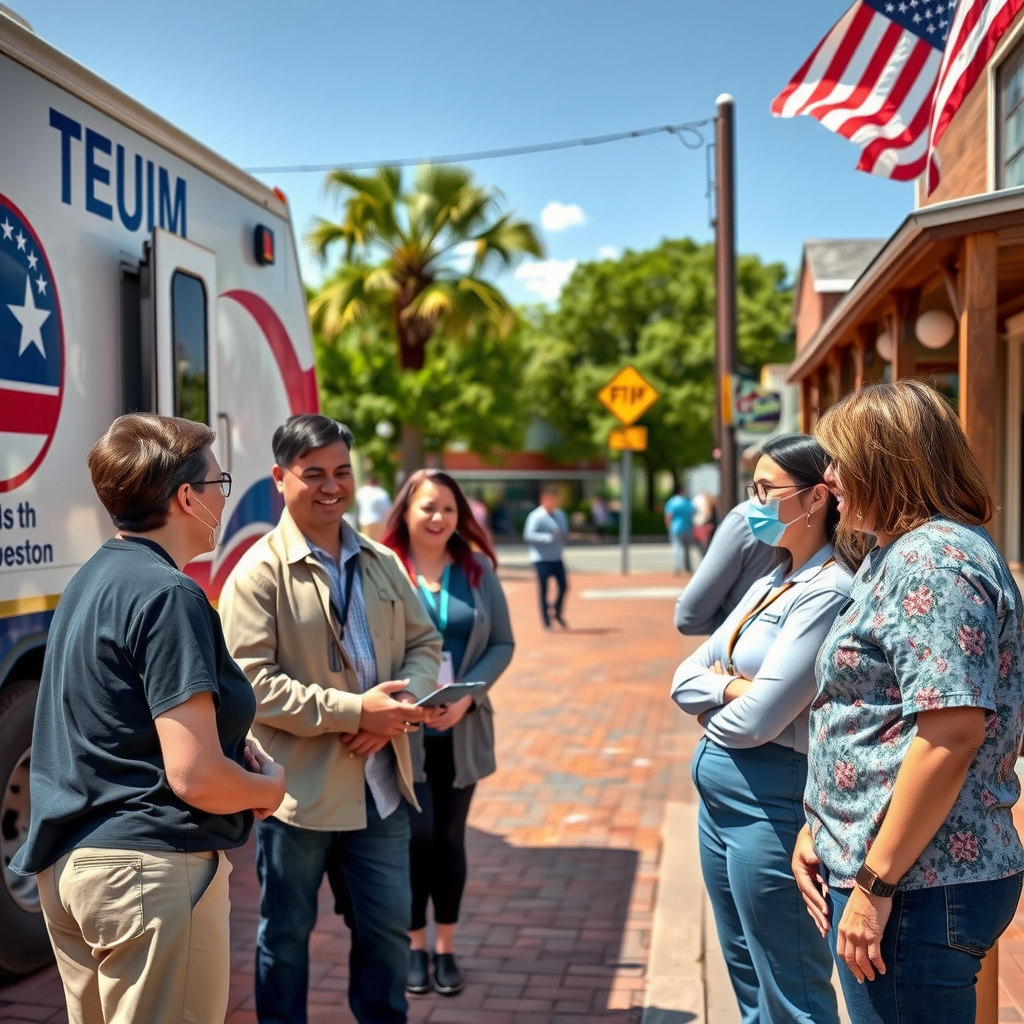
The mobile units address these barriers head-on by bringing services directly to veterans in their own communities. By eliminating the need for long-distance travel, the program makes it possible for veterans with limited transportation options, physical disabilities, or work commitments to access the care they need. The familiar, local setting also helps reduce the stigma associated with seeking mental health treatment, as veterans can receive services in their own communities rather than traveling to distant facilities.
Comprehensive Service Offerings
The mobile mental health units provide a wide range of services designed to address the diverse needs of veterans. PTSD counseling forms the cornerstone of the program, with licensed therapists trained in trauma-focused therapies that have proven effective for veterans dealing with combat-related trauma and other service-connected mental health challenges. These evidence-based treatments help veterans process traumatic experiences, develop coping strategies, and work toward recovery.
Substance abuse support represents another critical component of the mobile unit services. Many veterans struggle with alcohol or drug dependency as they attempt to cope with mental health challenges, chronic pain, or the difficulties of transitioning to civilian life. The mobile units provide confidential substance abuse counseling, help veterans develop recovery plans, and connect them with treatment programs and support groups in their communities.
Crisis intervention services ensure that veterans experiencing acute mental health emergencies receive immediate professional support. The mobile unit teams are trained to handle crisis situations, provide stabilization, and connect veterans with emergency services when necessary. This rapid response capability can be life-saving for veterans in crisis, particularly in rural areas where emergency mental health services may be hours away.
Benefits counseling helps veterans navigate the complex landscape of VA benefits and other support services. Many veterans are unaware of the benefits they have earned or find the application process overwhelming. The benefits counselors on each mobile unit team help veterans understand their eligibility, complete applications, and access the full range of services and support available to them.
Expanding Access Through Telehealth
In addition to in-person services provided through the mobile units, Troopers Assisting Inc has integrated comprehensive telehealth options into the program. This hybrid approach ensures that veterans can maintain continuity of care between mobile unit visits and access support when the units are serving other communities. The telehealth platform connects veterans with licensed therapists, peer support specialists, and benefits counselors through secure video conferencing, making it possible to receive services from the comfort and privacy of home.

The telehealth component has proven particularly valuable for veterans who need ongoing therapy or support between mobile unit visits. Rather than waiting weeks or months for the unit to return to their community, veterans can schedule regular telehealth appointments to maintain their treatment progress. This continuity of care is essential for effective mental health treatment and helps ensure that veterans receive consistent support as they work toward their recovery goals.
For veterans who may be hesitant to seek in-person services due to stigma or privacy concerns, telehealth offers an alternative that can feel more comfortable and accessible. The ability to receive services from home eliminates concerns about being seen entering a mental health facility and provides an additional layer of privacy that some veterans find reassuring.
Upcoming Schedule and Locations
The mobile mental health units operate on a rotating schedule designed to ensure regular access to services across the region. Each unit visits multiple communities on a monthly basis, with extended stays in larger towns and shorter visits to smaller communities. The schedule has been carefully planned to maximize coverage while ensuring that each community receives consistent, reliable access to services.
Mobile Unit Schedule Through March 2026
November 2024
- Riverside County November 4-8, 2024
- Mountain View November 11-15, 2024
- Prairie Junction November 18-22, 2024
- Cedar Falls November 25-29, 2024
December 2024
- Lakeside Community December 2-6, 2024
- Highland Springs December 9-13, 2024
- Willow Creek December 16-20, 2024
Complete schedules for January through March 2026 are available through our telehealth platform and will be updated monthly. Veterans can also call our coordination center for the most current schedule information.
The schedule is designed with flexibility to accommodate community needs and special circumstances. Extended visits can be arranged for communities with larger veteran populations or higher demand for services. The mobile units also participate in special events such as veteran stand-downs, community health fairs, and military appreciation events, providing additional opportunities for veterans to access services.
Veterans Share Their Stories
The true measure of the mobile mental health unit program's success lies in the stories of the veterans it serves. These individuals have found hope, healing, and support through services that were previously out of reach. Their experiences illustrate both the critical need for accessible mental health care and the transformative impact these services can have on veterans' lives.
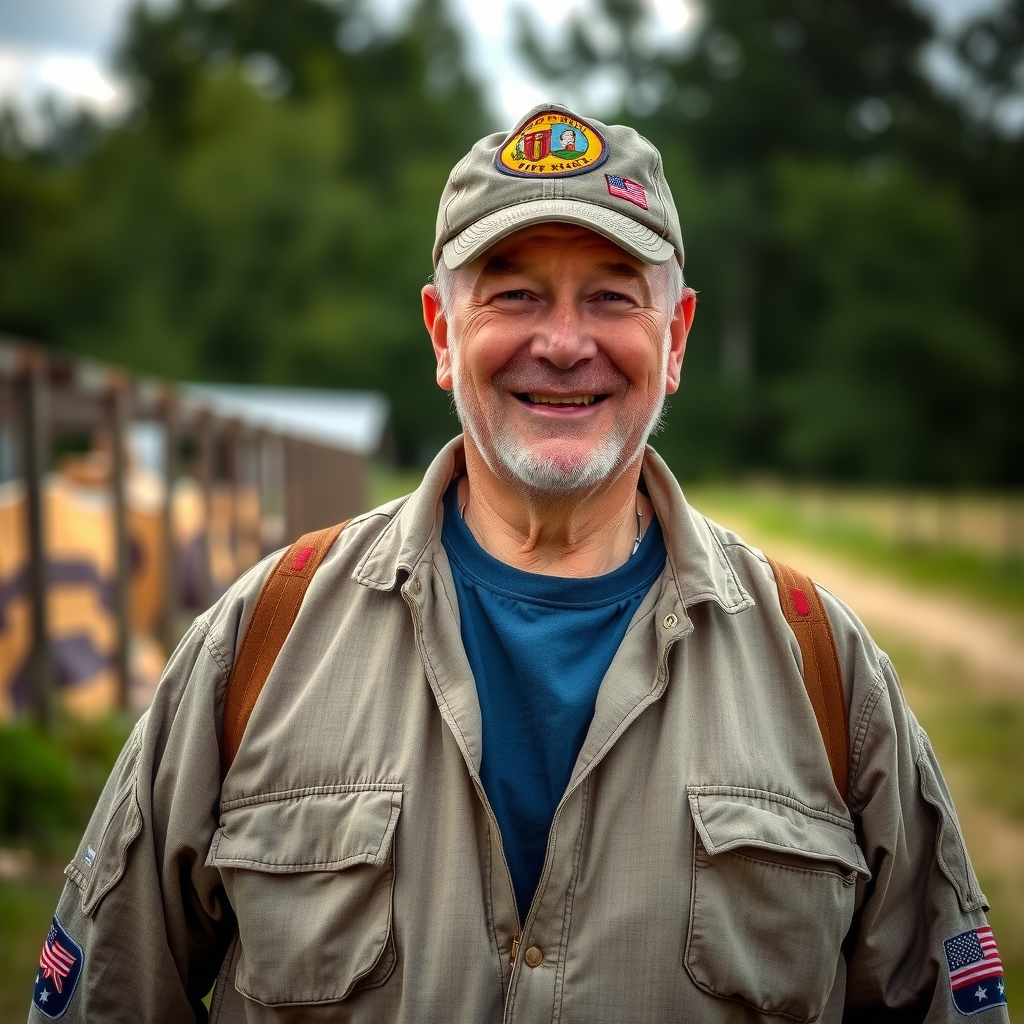
After three deployments, I came home with PTSD that I didn't know how to handle. I live 150 miles from the nearest VA hospital, and with my work schedule, I couldn't make regular appointments. When I heard about the mobile unit coming to our town, I was skeptical, but I decided to give it a try. The therapist I worked with understood what I'd been through, and the peer support specialist was a veteran himself. They helped me understand that what I was experiencing was normal and that I could get better. Six months later, I'm sleeping through the night for the first time in years.
Another veteran, Robert K., a Navy veteran from a small farming community, credits the mobile unit with saving his life. Struggling with depression and substance abuse following his discharge, he had isolated himself from family and friends. When the mobile unit visited his town, a concerned neighbor encouraged him to seek help. The crisis intervention services he received that day connected him with immediate support, and the ongoing counseling and substance abuse treatment helped him begin his recovery journey.
I was at my lowest point when the mobile unit came to town. I didn't think anyone could help me, and I didn't think I deserved help anyway. But the team on that unit showed me that I mattered and that recovery was possible. They didn't judge me for my struggles with alcohol or my mental health. They just helped me take the first steps toward getting better. Now I'm six months sober, working with a therapist through telehealth, and reconnecting with my family. The mobile unit gave me my life back.
These stories represent just a fraction of the veterans whose lives have been touched by the mobile mental health unit program. Each session conducted, each connection made, and each veteran helped represents a step toward addressing the mental health crisis facing rural veterans and ensuring that all who have served receive the support they have earned.
Looking Ahead: Expanding the Program
The success of the mobile mental health unit program's first month has demonstrated both the tremendous need for these services and the effectiveness of the mobile approach. Troopers Assisting Inc is already planning to expand the program, with goals to add additional mobile units and extend service coverage to more rural communities throughout the region.
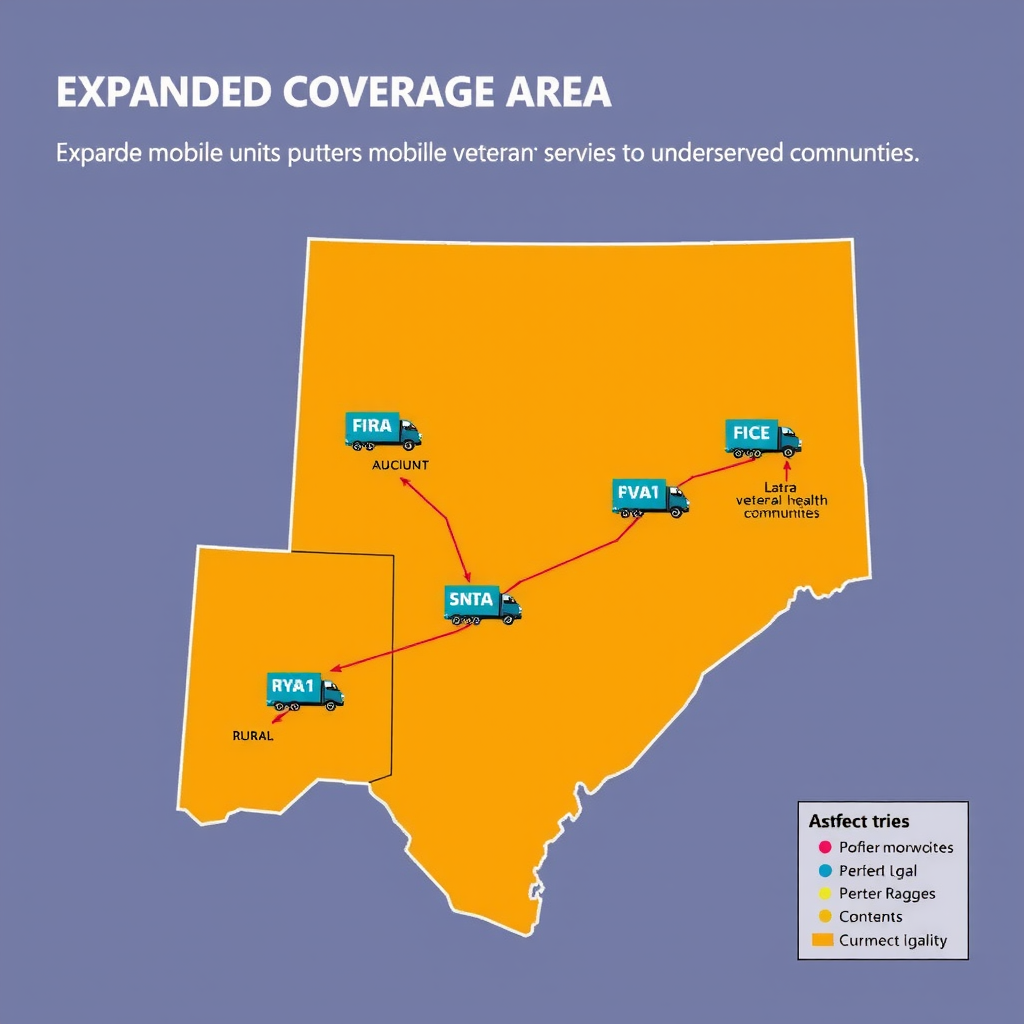
Future enhancements to the program will include specialized services for specific veteran populations, such as women veterans, veterans with traumatic brain injuries, and veterans dealing with military sexual trauma. The organization is also working to establish partnerships with local healthcare providers, community organizations, and VA facilities to create comprehensive support networks that can provide continuity of care and additional resources for veterans.
Training programs for additional staff members are already underway, ensuring that the expanded program will maintain the high quality of care that has characterized its initial operations. The organization is also investing in enhanced telehealth technology and infrastructure to support the growing number of veterans accessing services remotely.
The mobile mental health unit program represents a significant step forward in addressing the mental health needs of rural veterans. By bringing comprehensive, professional services directly to underserved communities, eliminating barriers to access, and providing both in-person and telehealth options, Troopers Assisting Inc is ensuring that all veterans, regardless of where they live, can access the mental health support they need and deserve. As the program continues to grow and evolve, it stands as a model for innovative, veteran-centered care that prioritizes accessibility, quality, and dignity.
Access Mobile Mental Health Services
All services are free and confidential. No appointment necessary for mobile unit visits. Telehealth appointments available by scheduling.