Veterans Find New Purpose Through Skilled Trades Partnership

Transforming Military Experience Into Civilian Success
The innovative partnership between Troopers Assisting Inc and a coalition of regional employers has achieved remarkable results in bridging the gap between military service and civilian careers. Over the past three months, this comprehensive program has successfully placed 47 veterans into skilled trades positions, offering them not just jobs, but meaningful careers that leverage their military training and discipline.
The program addresses a critical need in both the veteran community and the skilled trades industry. Many veterans possess technical skills, strong work ethics, and leadership abilities developed during their military service, yet they often struggle to translate these competencies into civilian employment opportunities. Simultaneously, employers in welding, HVAC, and electrical work face significant workforce shortages, creating a perfect opportunity for strategic collaboration.
What sets this initiative apart is its comprehensive approach to veteran support. Rather than simply connecting veterans with job openings, the program provides free certification courses specifically designed to meet industry standards while recognizing the valuable experience veterans bring from their military backgrounds. This dual focus on skill development and experience recognition has proven to be a winning formula.
The statistics speak volumes about the program's effectiveness. An impressive 89% of graduates secure employment within 30 days of completing their certification courses. This rapid placement rate demonstrates both the quality of training provided and the genuine demand for skilled workers in these trades. For veterans transitioning from military service, this quick path to stable employment provides crucial financial security and a sense of purpose during what can be a challenging adjustment period.
Comprehensive Training Programs Tailored for Veterans
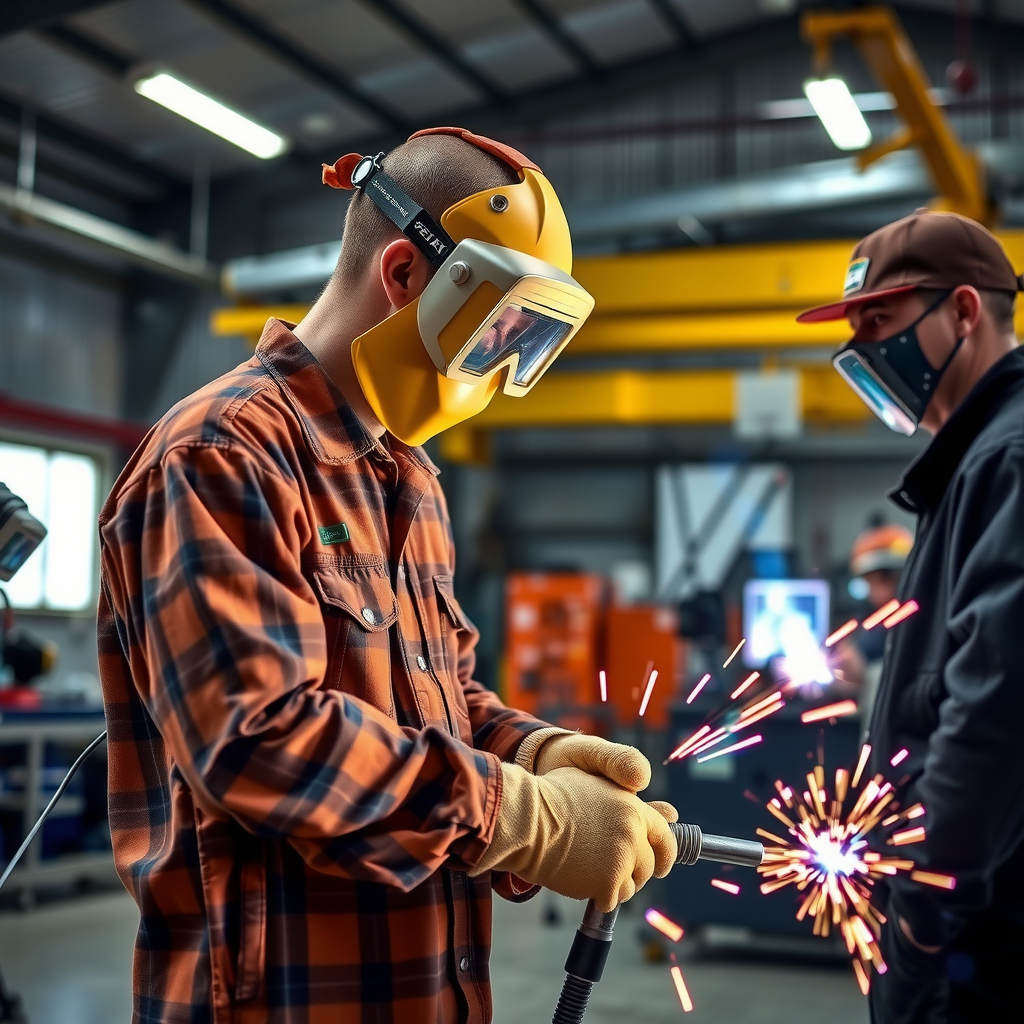
The program offers free certification courses in three high-demand skilled trades: welding, HVAC (Heating, Ventilation, and Air Conditioning), and electrical work. Each course is carefully structured to provide both theoretical knowledge and hands-on practical experience, ensuring that graduates are job-ready from day one. The curriculum recognizes that many veterans already possess foundational technical skills from their military training, allowing for accelerated learning paths where appropriate.
The welding certification program covers multiple welding techniques including MIG, TIG, and stick welding, along with blueprint reading, metallurgy basics, and safety protocols. Veterans with mechanical backgrounds, such as those who served as vehicle mechanics or equipment operators, often find this transition particularly natural, as they're already familiar with working with metal and understanding structural integrity.
The HVAC training program provides comprehensive instruction in heating and cooling systems, refrigeration principles, electrical components, and system diagnostics. This field offers excellent career prospects, with growing demand driven by both new construction and the need to upgrade existing systems for energy efficiency. Veterans appreciate the problem-solving aspects of HVAC work, which often mirrors the diagnostic and repair work they performed in military settings.
The electrical work certification covers residential, commercial, and industrial electrical systems, including wiring, circuit design, code compliance, and safety procedures. This program particularly appeals to veterans who worked with electrical systems in the military, whether in communications, aviation, or facility maintenance roles. The structured nature of electrical work, with its emphasis on following precise procedures and safety protocols, aligns well with military training and discipline.
Beyond Technical Skills: Comprehensive Support Services
What truly distinguishes this program is its holistic approach to veteran support. Beyond technical training, participants receive assistance with resume writing, interview preparation, and professional networking. Many veterans struggle with translating their military experience into civilian terms that employers understand, and the program's career counselors specialize in helping veterans articulate their skills and accomplishments in ways that resonate with civilian hiring managers.
The program also addresses practical barriers to employment, such as providing assistance with obtaining necessary tools and work equipment, arranging transportation to job sites during the initial employment period, and connecting veterans with resources for work clothing and safety gear. These seemingly small details can make the difference between a successful transition and a missed opportunity.

Success Stories: Veterans Thriving in New Careers
The true measure of the program's success lies in the stories of individual veterans who have transformed their lives through these opportunities. Marcus Thompson, a former Army mechanic who served two tours overseas, exemplifies the program's potential. After completing the welding certification course, Marcus was hired by a local manufacturing plant where he quickly distinguished himself through his technical skills and leadership abilities.
The transition from military to civilian life was harder than I expected. This program didn't just teach me welding – it gave me a community and a purpose again. Now I'm leading a team of six welders, and I get to use both my technical skills and the leadership training from my Army days.
— Marcus Thompson, Former Army Mechanic
Within six months of starting his new position, Marcus was promoted to team leader, overseeing a crew of six welders on complex manufacturing projects. His military experience in managing equipment maintenance teams translated seamlessly into his civilian leadership role. Marcus credits the program not just with teaching him welding skills, but with helping him recognize how his military experience made him valuable to civilian employers.
Sarah Mitchell, a Navy veteran who specialized in aviation electronics, found her calling in the electrical trades through the program. After completing her certification, she was hired by a commercial electrical contractor and now works on large-scale projects including office buildings and retail centers. Sarah particularly appreciates how the structured, safety-focused nature of electrical work mirrors the precision and attention to detail required in her military role.
James Rodriguez, who served in the Air Force as an HVAC technician maintaining climate control systems on bases, transitioned smoothly into civilian HVAC work through the program. He now runs service calls for a regional HVAC company and has already earned several customer service awards. James notes that while his military training gave him technical knowledge, the certification program helped him understand the business side of the trade and how to communicate effectively with residential and commercial clients.
Employer Perspectives: The Value of Veteran Employees
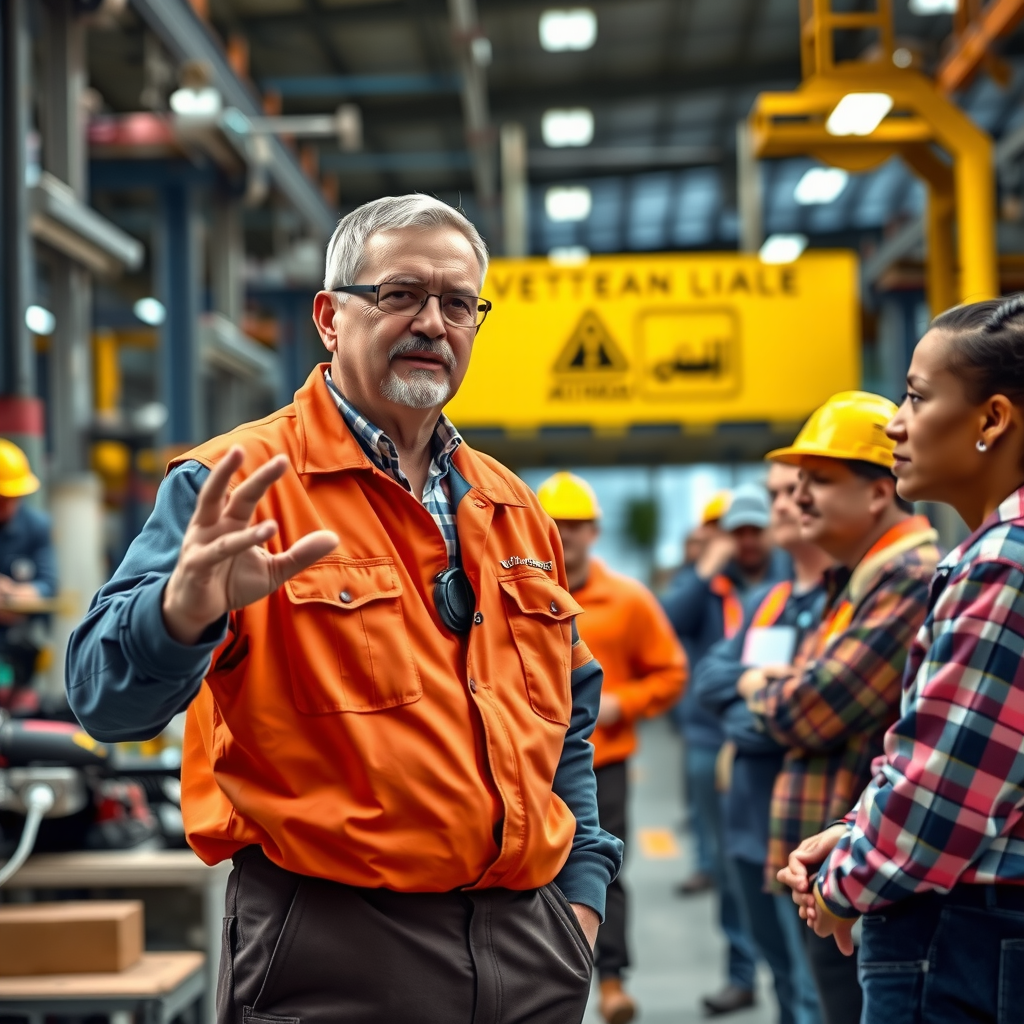
The program's success isn't just measured by veteran satisfaction – employers have been equally enthusiastic about the partnership. Regional businesses participating in the program consistently report that veteran employees bring valuable qualities that enhance their workforce, including strong work ethics, reliability, ability to work under pressure, and natural leadership skills.
Jennifer Walsh, Human Resources Director at Precision Manufacturing, one of the program's partner employers, emphasizes the mutual benefits of the partnership. Her company has hired eight veterans through the program over the past three months, and she reports that these employees have quickly become some of their most valued team members. The veterans' military training in following procedures, maintaining safety standards, and working as part of a team translates directly into workplace excellence.
Veterans bring a level of professionalism and dedication that's hard to find. They understand teamwork, they respect safety protocols, and they're not afraid of hard work. This program has been a game-changer for our workforce development strategy.
— Jennifer Walsh, HR Director, Precision Manufacturing
Robert Chen, owner of Chen HVAC Services, has hired five veterans through the program and plans to hire more. He notes that veterans often excel in customer-facing roles because of their professional demeanor and problem-solving abilities. When a customer has an HVAC emergency, they want someone who can stay calm under pressure and fix the problem efficiently – qualities that veterans developed through their military service.
The program has also helped employers address their workforce shortage challenges. Many skilled trades face an aging workforce with insufficient numbers of younger workers entering the field. By tapping into the veteran community, employers gain access to a pool of motivated, disciplined workers who are often in their prime working years and looking for long-term career opportunities rather than just temporary jobs.
Application Requirements and Eligibility
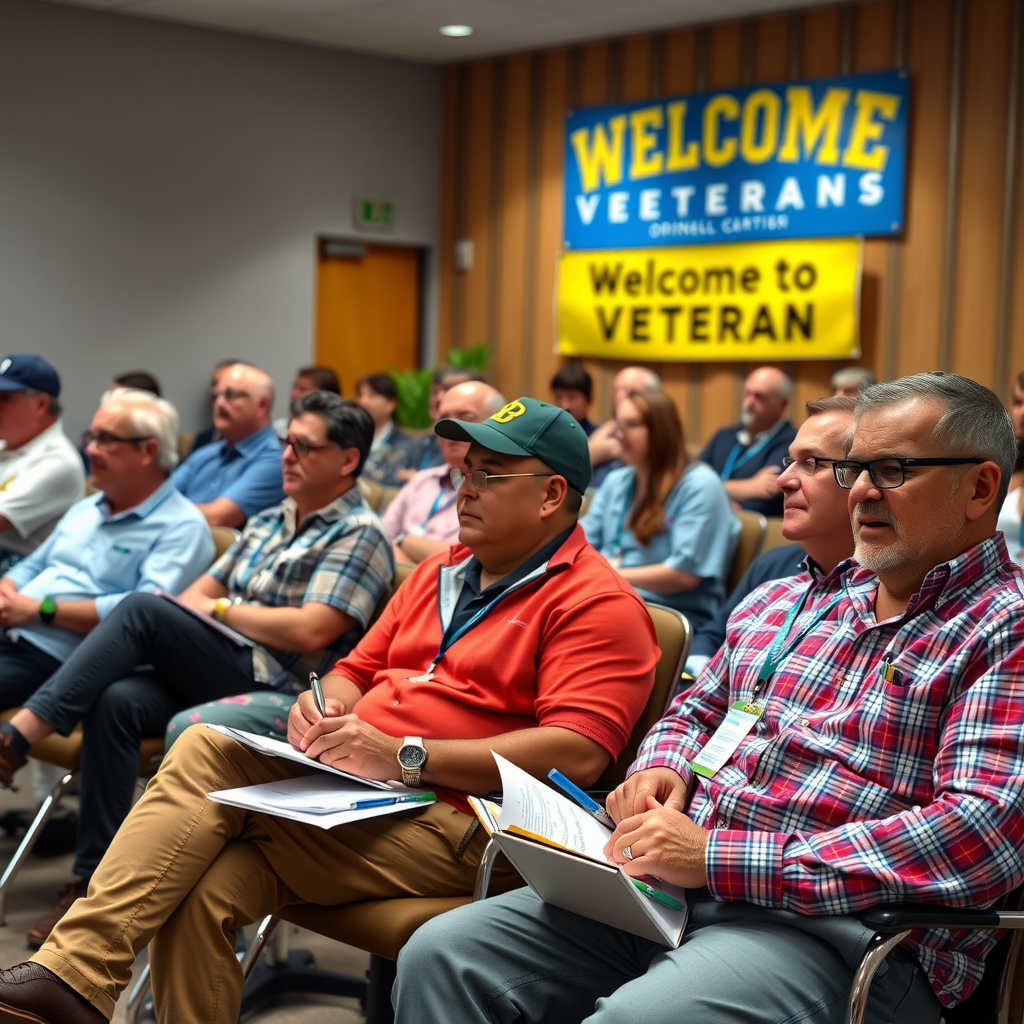
The program maintains straightforward eligibility requirements designed to serve veterans while ensuring participants are positioned for success. Applicants must be honorably discharged veterans from any branch of the United States military. There are no restrictions based on length of service, though priority consideration is given to veterans who have been discharged within the past five years and are actively seeking employment.
Prospective participants must demonstrate a genuine interest in pursuing a career in one of the three offered trades: welding, HVAC, or electrical work. While prior experience in these fields is beneficial, it is not required. The program is specifically designed to accommodate veterans with varying levels of technical background, from those with directly relevant military experience to those looking to transition into entirely new career fields.
Applicants must be able to commit to the full duration of their chosen certification program, which typically runs 12-16 weeks depending on the trade. Classes are offered during daytime hours to accommodate the intensive hands-on training required. The program recognizes that many veterans have family obligations and financial constraints, which is why all training is provided free of charge, and assistance with transportation and childcare is available for those who need it.
Physical requirements vary by trade but generally include the ability to stand for extended periods, lift moderate weights, and work in various environmental conditions. Applicants with service-connected disabilities are encouraged to apply, as reasonable accommodations can often be made to ensure their success in the program. The program staff works closely with the Department of Veterans Affairs to coordinate benefits and support services for participants with disabilities.
The Application Process
The application process is designed to be straightforward and veteran-friendly. Interested veterans begin by submitting a basic application form that includes their contact information, military service details, and preferred trade specialization. This initial application can be completed online or in person at the Troopers Assisting Inc office.
Following the initial application, candidates participate in an informal interview with program staff. This conversation helps ensure that the program is a good fit for the veteran's goals and circumstances, and allows staff to answer any questions about the training process, job placement support, and career prospects in the chosen trade. The interview is not designed to be intimidating or exclusionary – rather, it's an opportunity for mutual understanding and planning.
Accepted applicants receive a comprehensive orientation packet that includes the training schedule, required materials list, safety equipment information, and details about support services available during the program. Veterans are also connected with a program mentor – often a graduate of the program who is now working in the field – who can provide guidance and encouragement throughout the training period.
Upcoming Training Sessions and Future Expansion
Building on the success of the initial program cohorts, Troopers Assisting Inc has announced an expanded training schedule for 2025. New certification courses will begin in January 2025, with additional sessions starting in April, July, and October. This quarterly schedule allows veterans to enter the program at multiple points throughout the year, reducing wait times and providing more flexibility for those ready to begin their career transition.
The January 2025 session is already accepting applications, with enrollment expected to fill quickly based on the strong interest generated by the program's early success. Program administrators encourage interested veterans to apply early, as class sizes are intentionally kept small to ensure personalized attention and adequate access to training equipment and facilities.

Looking ahead, program organizers are exploring opportunities to expand into additional skilled trades based on both veteran interest and employer demand. Preliminary discussions are underway regarding potential programs in plumbing, carpentry, and industrial maintenance. These expansions would follow the same successful model of combining free certification training with comprehensive support services and direct connections to employers.
The program is also working to expand its geographic reach. While the initial program has focused on veterans in the immediate regional area, plans are in development to establish satellite training locations in neighboring communities. This expansion will make the program accessible to veterans in rural areas who may face transportation challenges in reaching the current training facility.
Additionally, program administrators are developing an advanced training track for graduates who want to pursue supervisory roles or specialized certifications in their chosen trades. This career ladder approach recognizes that many veterans have leadership potential and ambitions beyond entry-level positions, and provides a clear pathway for continued professional development.
The Broader Impact on Workforce Development
The success of this program extends beyond individual veteran success stories to address broader workforce development challenges facing the skilled trades industry. As experienced tradespeople retire in increasing numbers, the industry faces a significant skills gap that threatens economic growth and infrastructure maintenance. By channeling veterans into these careers, the program helps address this critical shortage while providing meaningful employment opportunities for those who have served their country.
The program also serves as a model for other veteran service organizations and workforce development initiatives. Its success demonstrates that with proper support, training, and employer partnerships, veterans can successfully transition into high-demand civilian careers. Other organizations across the country have expressed interest in replicating this model in their communities, potentially multiplying its impact many times over.
From an economic perspective, the program creates a win-win-win situation. Veterans gain stable, well-paying careers with opportunities for advancement. Employers gain access to qualified, motivated workers who help address their workforce needs. And communities benefit from having skilled tradespeople available to support construction, maintenance, and infrastructure projects that drive local economic development.
This program represents the kind of innovative thinking we need to address both veteran unemployment and skilled trades shortages. It's not just about filling jobs – it's about building careers and strengthening communities.
— Dr. Patricia Morrison, Workforce Development Specialist
Looking Forward: A Sustainable Model for Veteran Support
As the program continues to grow and evolve, its organizers remain committed to the core principles that have driven its success: comprehensive support for veterans, high-quality training that meets industry standards, and strong partnerships with employers who value veteran employees. The impressive 89% employment rate within 30 days of graduation speaks to the effectiveness of this approach and provides a strong foundation for continued expansion.
The program's sustainability is ensured through a combination of grant funding, employer partnerships, and community support. Participating employers contribute to the program through a combination of financial support and in-kind donations of equipment and materials. This investment makes sense for employers, as the cost of supporting the training program is far less than the typical costs of recruiting and training new employees through traditional channels.
For veterans considering the program, the message is clear: this is more than just job training. It's an opportunity to build a meaningful career, leverage military experience in new ways, and become part of a supportive community of fellow veterans and skilled trades professionals. The success stories of Marcus, Sarah, James, and dozens of other program graduates demonstrate that with the right support and training, veterans can thrive in civilian careers that offer both financial stability and personal fulfillment.
The partnership between Troopers Assisting Inc and regional employers represents a powerful example of what can be achieved when organizations work together to address community needs. By connecting veterans with opportunities in skilled trades, the program honors their service while helping them build successful civilian careers. As the program continues to expand and evolve, it stands as a testament to the value of innovative thinking, collaborative partnerships, and unwavering commitment to supporting those who have served their country.